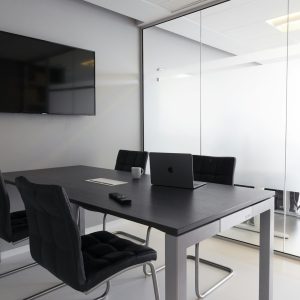
Meeting Room Hire for Small Team Meetings
Small meetings don’t need to be held in large conference suites. Even with a small number of people, a well-set-up room can be ideal for meetings and ensures that sessions are kept on track.
Pick the Right Room Size
Comparing Meeting Rooms sizes can be a challenge. Aim to choose a room which has seats for twenty or so but when stripped of chairs is the right size for your six-strong team. Consider a boardroom style with chairs seated facing each other. The ‘hollow square’ style is also a good choice.
Check Privacy and Acoustics
Many of the candid topics that are discussed with a small team of colleagues, such as performance, strategy, etc. need to be discussed in privacy. A closing door and reasonable sound insulation is required for such discussions to take place freely.
Plan for Hybrid Participants
Can also be used for hybrid meetings. Guidance on running effective workplace meetings can then be applied once the basic elements are in place.
Sort Refreshments in Advance
Arrange refreshments in advance for your team’s arrival. Find out whether the venue offers catering and whether they can supply you with food for your meeting or if you can organise your own.
Confirm Parking and Access
From a practical perspective, finding a venue with easy parking for travellers is important. The Conway Meeting Room is held at St George’s Hotel in a central location of the city with easy access for delegates travelling from all over the region.
If you want Meeting Room Hire Conway, https://stgeorgeswales.co.uk/conference-venues-llandudno/meeting-room-hire/conway is a good place to start.
It’s essential to get the small details of your meeting organised, so that on the day, you can focus on what you came for.
Matching the space to your meeting style
Start with the kind of meeting you are holding. A small, informal space can encourage creativity and free thinking, while a more structured session needs room to present and good acoustics. It also helps to pick somewhere that reflects your organisation’s culture, whether that is casual or more traditional.

Location deserves careful thought. An on-site room may be fine when everyone is in-house, but a central venue is often easier when people are travelling in from elsewhere. Check that the room can handle whatever equipment you plan to use, such as sound equipment, projectors and screens or video conferencing.
Hired rooms are usually available by the hour, half day or full day and often come fully equipped, which helps when your own premises lack the space. Whatever you choose, make sure it is accessible to everyone, including anyone with mobility issues or other impairments.
Keeping the meeting itself focused
A good room only helps if the meeting is well run. Start with a clear objective and specific aims, and invite only the people who really need to be there. Anyone whose role is not affected is better left to get on with other work.
Decide whether the meeting will work better online or in person. Online sessions are convenient and save travel, while meeting face to face tends to suit creative thinking and collaboration. Timing matters too. Attention and enthusiasm are usually higher in the morning, and meetings at the end of the day often suffer as people tire and want to get home.
If you are chairing, arrive a few minutes early to check the presentation equipment works, so nothing holds things up once everyone is there. During the meeting, keep the discussion close to its aims and finish at the time you promised. Respecting people’s time is what makes them willing to come to the next one.
Why hiring a meeting room makes sense
Before getting into room size and layout, it helps to be clear about why hiring a room can be better than using your own premises. The first reason is cost. Paying for a meeting room only when you need one is cheaper than taking on larger business premises with a meeting room you rarely use.
Location is another advantage. Hired meeting rooms are usually in city centres and close to public transport, which helps if your own workplace is awkward to reach. Choosing somewhere central makes the journey easier for everyone attending.
Facilities count too. A professional meeting room is set up specifically for meetings, so it should already have what you need, and it may well be better equipped than your normal workplace. Hiring a room also solves the problem of having nowhere quiet in your own building, giving you a private space where confidential discussions can take place without interruption.
About author
